
Preparing a home for sale does not have to involve major renovations or overwhelming expenses. Many homeowners assume that increasing appeal requires tearing out kitchens or investing in full-scale remodels, but buyers often respond just as strongly to thoughtful improvements that enhance comfort, presentation, and overall condition. When approached strategically, smaller upgrades can significantly increase home value by helping buyers visualize a property as move-in ready and well cared for.
Smart preparation begins with understanding what today’s buyers prioritize. Cleanliness, functionality, curb appeal, and visible upkeep consistently rank high across markets. Addressing overlooked areas, improving efficiency, and resolving minor issues can reduce buyer objections while supporting stronger offers. These improvements also help a listing stand out in photos, open houses, and showings, which is essential in competitive markets.
Affordability is another key factor. Sellers benefit most from projects that deliver noticeable results without inflating pre-sale costs. Rather than focusing on luxury finishes, it is often more effective to invest in upgrades that protect the structure, enhance daily usability, and signal long-term reliability. When buyers feel confident about a home’s condition, negotiations tend to move faster and with fewer concessions.
The following sections explore practical, budget-conscious strategies that help sellers improve presentation and function before listing. Each area focuses on specific improvements that can make a measurable difference while keeping costs manageable, ensuring sellers can enter the market with confidence and clarity.
Addressing Hidden Systems That Buyers Notice During Inspections
Many of the most impactful improvements happen behind the scenes. Buyers may initially be drawn to paint colors and staging, but inspections often determine whether a deal moves forward smoothly. Proactively addressing foundational and mechanical concerns can increase home value by reducing uncertainty and preventing last-minute renegotiations.
One commonly overlooked area is proper waste management and drainage. Scheduling septic tank pumping services before listing ensures the system is functioning efficiently and demonstrates responsible ownership. Buyers appreciate documented maintenance, especially in rural or suburban areas where septic systems are common. A clean, properly serviced system reduces concerns about future repairs and supports a smoother inspection process.
Another critical but often unseen area involves crawl space repairs. Moisture, insulation gaps, or structural issues in crawl spaces can raise red flags for inspectors and buyers alike. Addressing these problems early helps prevent musty odors, improves indoor air quality, and signals that the home has been maintained beyond surface-level upgrades. Even modest repairs in this area can improve energy efficiency and long-term durability.
By taking care of these less visible systems before listing, sellers demonstrate transparency and preparedness. Buyers feel reassured when inspection reports confirm that essential components are in good condition. This confidence can lead to stronger offers and fewer delays, reinforcing the overall impression of a home that has been thoughtfully maintained from the inside out.

Improving Exterior Safety and Landscaping Presentation
First impressions play a major role in how buyers perceive a property. The exterior sets expectations before anyone steps inside, making outdoor improvements an effective way to increase home value without extensive renovation. Clean lines, clear pathways, and a well-maintained yard communicate pride of ownership and reduce buyer hesitation. When the exterior feels orderly and cared for, buyers are more likely to approach the showing with a positive mindset and greater confidence in the home’s condition.
Overgrown or damaged trees can detract from curb appeal and raise safety concerns. Investing in a professional tree removal service to eliminate hazardous or unsightly trees opens sightlines, increases natural light, and improves the overall appearance of the yard. Buyers often feel more comfortable knowing potential risks, such as falling branches or root damage, have already been addressed. Removing problem trees can also highlight architectural features of the home that may have previously been hidden.
Hardscaping also influences buyer perception in a meaningful way. Cracked driveways, uneven walkways, or deteriorating surfaces can suggest deferred maintenance, even if the interior is well cared for. Working with a paving contractor to repair or resurface these areas creates a polished look that enhances accessibility and visual appeal. Smooth, clearly defined paths help buyers move comfortably around the property while reinforcing a sense of safety and functionality.
Together, landscaping and exterior safety upgrades create a welcoming environment that photographs well and feels secure. These changes may seem simple, but they often shape a buyer’s emotional response to a home. A property that looks cared for from the curb inward sets a positive tone for the entire showing experience and encourages buyers to explore the interior with fewer reservations.
Enhancing Outdoor Comfort and Energy Efficiency
Outdoor living areas have become increasingly important to buyers, especially those seeking flexible spaces for relaxation or entertaining. Enhancing comfort and usability outdoors can increase home value by extending functional living space without costly additions. Small improvements can significantly change how buyers perceive a property’s versatility.
Installing exterior roll shades is one effective way to improve patios, decks, or sun-facing windows. These shades help manage sunlight, reduce heat buildup, and provide privacy, making outdoor spaces more usable throughout the day. Buyers appreciate features that improve comfort while also contributing to energy efficiency inside the home.
In regions prone to severe weather, protective upgrades matter as well. Adding local hurricane shutter services demonstrates preparedness and resilience. Even buyers who have not previously considered storm protection often view these features as valuable safeguards that reduce future costs and stress.
By improving outdoor comfort and protection, sellers highlight the home’s adaptability to different seasons and lifestyles. These enhancements show that the property supports both everyday living and long-term durability, making it more appealing to a wider range of buyers.

Brightening Interiors Through Strategic Light Improvements
Lighting has a powerful influence on how buyers experience a home. Bright, well-lit spaces feel larger, cleaner, and more inviting, which directly affects how buyers emotionally respond during showings. Improving lighting conditions is a cost-effective way to increase home value, particularly when changes enhance both natural and artificial light without requiring structural modifications. Homes that feel bright tend to photograph better, draw more online interest, and create stronger first impressions in person.
One creative solution involves installing ceiling dome kits in areas that lack sufficient daylight. These features help distribute light evenly throughout a space, reducing harsh shadows and eliminating dark corners that can make rooms feel smaller or outdated. Hallways, bathrooms, closets, and interior rooms without windows benefit significantly from this type of improvement. Buyers often perceive these brighter areas as cleaner and more functional, even when the square footage remains unchanged.
Clean windows also play a critical role in interior brightness. Scheduling professional window cleaning services before listing ensures that natural light enters freely and that views remain unobstructed. Dust, streaks, and residue can significantly dull a room’s appearance, especially during daylight showings. Sparkling windows enhance both interior and exterior presentation, contributing to stronger listing photos, clearer sightlines, and more positive impressions as buyers move from room to room.
By focusing on light quality and distribution, sellers can transform how spaces feel without altering layouts or finishes. Bright interiors encourage buyers to linger longer, explore more thoroughly, and envision daily life in the home, all of which support stronger emotional connections and more confident purchase decisions.
Maintaining Structural Features That Signal Long-Term Care
Buyers often evaluate a home based on how well its essential components have been maintained. Addressing visible structural elements helps reinforce confidence in the property’s longevity and reduces concerns about deferred upkeep. These details may not always be top of mind for sellers, but they frequently influence how buyers assess overall condition, future responsibility, and the likelihood of unexpected repairs after closing. Homes that show consistent maintenance tend to feel more reliable, even if they are older.
Fireplaces and chimneys, for example, are often focal points in living spaces and attract immediate attention during showings. Ensuring proper chimney repairs eliminates concerns about ventilation issues, moisture intrusion, or safety risks that could surface during inspections. Even when a fireplace is rarely used, buyers want reassurance that it functions properly and meets current standards. A well-maintained chimney also signals that routine inspections and preventative care have been prioritized rather than postponed.
Beyond chimneys, buyers pay close attention to masonry, flashing, and roof transitions, especially during inspections. Cracks, stains, or missing materials can create uncertainty about hidden damage or water intrusion. Addressing these concerns in advance helps maintain momentum during negotiations and minimizes inspection-related objections. When structural features appear solid, clean, and professionally maintained, buyers are more likely to trust the home’s overall condition and feel comfortable moving forward without hesitation.

Streamlining Pre-Sale Cleanup and Project Management
Preparing a home for sale often involves more than cosmetic updates. Efficient cleanup and organization play a critical role in shaping buyer perception because clutter can distract from layout, storage potential, and overall condition. Removing excess materials, outdated fixtures, or leftover renovation debris creates a cleaner environment that allows the home’s features to stand out. Clear, open spaces help rooms feel larger and more functional, which is especially important during walk-throughs and open houses where buyers are forming quick impressions.
Working with dumpster rental companies helps sellers manage this process efficiently, especially during downsizing or light renovation projects. Having a designated place to dispose of unwanted items prevents clutter from piling up in garages, yards, or basements—areas buyers often inspect closely. This approach also makes it easier to maintain cleanliness over time, rather than scrambling to tidy up before each showing. A consistently organized home feels calmer and more inviting, which can influence how long buyers stay and how positively they evaluate the space.
Effective project management also reduces seller stress and prevents delays. When cleanup tasks are handled early, sellers have more flexibility to schedule repairs, complete touch-ups, or adjust staging as needed. Buyers respond positively to homes that feel organized and intentional, where every space appears usable and thoughtfully prepared rather than rushed or transitional. This level of preparation signals that the selling process has been handled carefully, which can build confidence and support smoother negotiations.
Refining Interior Comfort and Functionality
Comfort and usability strongly influence how buyers emotionally respond to a home. While layout changes can be expensive, smaller refinements often deliver noticeable improvements that feel immediately beneficial. Buyers want spaces that feel comfortable throughout the year and support everyday living without requiring upgrades right after closing. When a home feels easy to live in from the first walkthrough, buyers are more likely to stay longer, ask detailed questions, and imagine themselves settling in quickly.
Addressing airflow, insulation quality, and general system performance helps create consistent indoor conditions from room to room. Spaces that feel stuffy, drafty, or noticeably warmer or cooler than others can raise concerns about energy efficiency and long-term utility costs. Minor adjustments, such as sealing gaps around doors, improving attic insulation, or ensuring vents are unobstructed, contribute to a more balanced indoor environment. These subtle improvements may not be obvious individually, but together they shape a buyer’s overall comfort during showings.
Functionality matters just as much as comfort. Doors that open smoothly, windows that lock properly, and fixtures that operate as expected all contribute to a sense of readiness and reliability. Buyers often test these details instinctively, and smooth operation reinforces confidence in the home’s condition. When everything works as intended, buyers are less likely to anticipate post-purchase repairs, making the home feel like a simpler and more appealing transition into ownership.
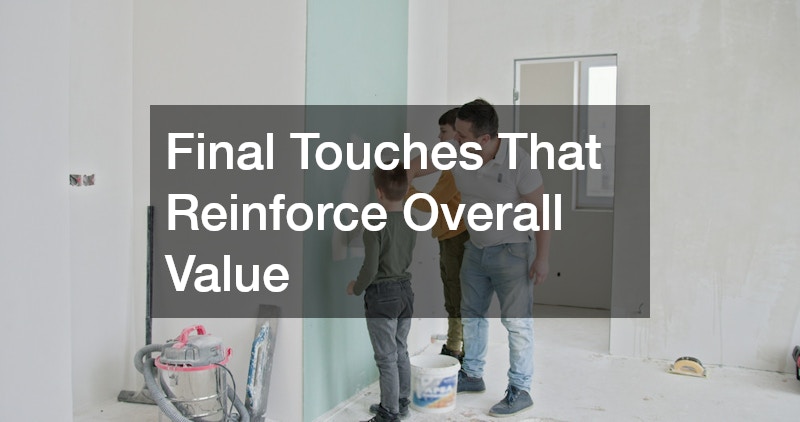
Final Touches That Reinforce Overall Value
The final stage of preparation focuses on consistency, detail, and presentation. These finishing touches often shape a buyer’s lasting impression, especially during second showings or final walkthroughs. Addressing small imperfections helps ensure nothing distracts from the home’s strengths.
Touch-ups such as repairing minor wall damage, tightening loose hardware, or correcting uneven finishes create a more polished appearance. Buyers tend to notice unresolved details, even when they cannot immediately identify why a space feels unfinished. Resolving these issues reinforces the perception of quality and care.
Staging also plays an important role at this stage. Thoughtful furniture placement, neutral décor, and clear sightlines help buyers envision their own lifestyle in the space. When a presentation feels cohesive and intentional, the home leaves a strong, positive impression that supports confident decision-making and smoother closing timelines.